Call Us Today!
(952) 465-0105
New Patients
(952) 225-5280


The tissues of the mouth, jaws, and surrounding soft tissues perform vital roles in speaking, eating, breathing and facial expression. Because the oral and maxillofacial region is exposed to constant use and a wide range of environmental influences, it can develop a variety of disorders that range from minor and self-limiting to serious and life-altering. Oral pathology is the medical specialty that identifies, diagnoses, and helps manage those conditions so they can be treated appropriately and in a timely manner.
Changes inside the mouth may be the first sign of a localized problem or a clue to a broader systemic condition. A seemingly small lesion might reflect a nutritional deficiency, an autoimmune reaction, or an infectious process; alternatively, it can be an early presentation of neoplastic disease. Recognizing which findings are benign and which require urgent evaluation is central to protecting oral health and overall wellness.
At Northern Star Oral and Maxillofacial Surgery LLC, our team emphasizes thorough assessment and continuity of care. We aim to detect concerning signs early, explain the diagnostic process clearly, and guide patients through evidence-based treatment pathways that prioritize safety and long-term outcomes.
Many oral pathologies announce themselves with symptoms that are visible or noticeable during routine daily activities. Red or white patches, persistent ulcers, unexplained lumps or bumps in the mouth or neck, prolonged numbness, and unusual bleeding are findings that warrant professional review. While most oral changes are harmless, persistence beyond two weeks is a practical rule of thumb for seeking evaluation.
Other warning signs include rapid growth of a lesion, pain that differs from typical dental discomfort, difficulty swallowing, or changes in voice or speech. Patients who have a history of tobacco use, significant sun exposure of the lips, or a weakened immune system should be especially vigilant and consult a clinician sooner rather than later.
Early assessment allows clinicians to prioritize noninvasive measures when appropriate and to expedite diagnostic testing when necessary. Timely evaluation reduces uncertainty for patients and increases the chance that any serious conditions are identified at an earlier, more treatable stage.
Diagnosis begins with a focused medical and dental history together with a careful clinical examination of the oral cavity and adjacent structures. Your surgeon will document the lesion’s appearance, size, texture, and location and will ask about related symptoms such as pain, bleeding, or changes over time. This initial step often points toward the most likely causes and helps determine the appropriate next steps.
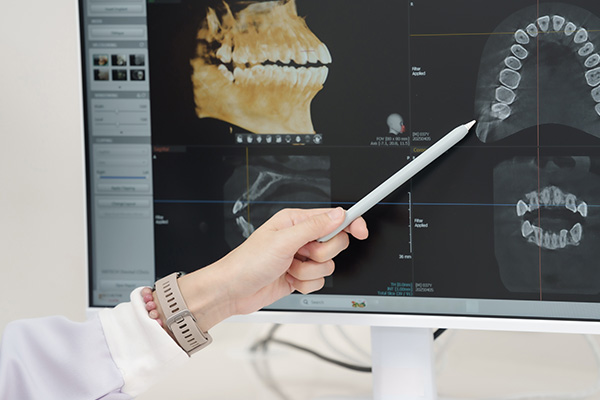
Imaging—such as panoramic radiography, cone beam computed tomography (CBCT), or ultrasound—may be used to assess underlying bone or deep soft-tissue involvement. In many cases, direct tissue sampling is required. Biopsy procedures are generally straightforward and may be performed in the office under local anesthesia, with the sample sent to a specialized pathology laboratory for microscopic evaluation.
Pathology reports provide detailed information about the tissue, including whether cells are benign, reactive, inflammatory, dysplastic, or malignant. When necessary, our surgeons collaborate with oral pathologists and other specialists to interpret findings and formulate a comprehensive management plan tailored to each patient’s clinical context.
Oral pathology covers a spectrum of conditions. Common inflammatory and infectious processes include aphthous ulcers, mucoceles, fungal infections, and viral lesions. Reactive conditions such as fibromas or hyperkeratosis often result from chronic irritation and can resolve once the source is addressed. Each of these entities has characteristic clinical features that guide diagnosis and treatment.
Benign growths and developmental lesions—like odontogenic cysts, benign tumors, and congenital anomalies—are also within the scope of evaluation. When these lesions interfere with function, aesthetics, or long-term oral health, surgical removal or monitoring may be recommended. Our goal is to choose interventions that restore comfort and preserve natural structures whenever possible.
Malignant conditions, though less common, require prompt recognition and coordinated care. If a biopsy indicates a neoplastic process, we coordinate referrals and treatment planning with medical oncology, radiation oncology, and reconstructive specialists as needed to ensure a multidisciplinary approach to the patient’s care.
Patients typically find uncertainty about oral lesions stressful. We prioritize clear, compassionate communication: explaining what we see, why a particular test is recommended, and what different results might mean. This transparent approach helps patients make informed decisions and feel confident about their care plan.
Treatment recommendations are individualized and based on the lesion’s diagnosis, the patient’s medical history, and functional considerations. Some conditions need only observation and conservative care, while others benefit from minimally invasive office procedures or, rarely, more extensive surgical management performed with appropriate anesthesia and perioperative planning.
Because oral pathology often intersects with general health, our surgeons coordinate closely with a patient’s primary care provider and medical specialists when systemic disease or complex treatment is involved. This collaborative model ensures that oral findings are addressed in the context of whole-person health.
In summary, oral pathology is a specialized field focused on identifying and managing disorders of the mouth, jaws, and related tissues. Early recognition and structured diagnostic evaluation improve outcomes and reduce uncertainty. If you have noticed an unusual sore, lump, patch, or persistent symptom in your mouth or neck, please contact us to discuss an evaluation and learn more about your options.
Oral pathology is the study and diagnosis of diseases that affect the mouth, jaws, face and related structures. It encompasses a wide range of conditions including inflammatory lesions, infections, developmental abnormalities, cysts, benign tumors and malignancies that arise in the oral and maxillofacial region. Oral pathologists and oral and maxillofacial surgeons work together to identify the cause of tissue changes and recommend appropriate treatment.
Because the mouth is a window to systemic health, oral pathology also considers how conditions in the oral cavity relate to broader medical issues such as autoimmune disease, nutritional deficiencies and systemic infections. Early detection and accurate diagnosis can prevent progression of disease and help preserve oral function and appearance. Patients benefit from a coordinated diagnostic approach that combines clinical exam, imaging and laboratory analysis.
Patients should seek evaluation for persistent or unusual findings such as a sore that does not heal within two weeks, unexplained lumps or bumps, white or red patches, persistent pain, numbness, or difficulty swallowing. Other warning signs include changes in the texture or color of oral tissues, bleeding from a lesion, looseness of teeth without obvious cause, and unexplained swelling in the jaw or neck. Any new or rapidly changing oral abnormality warrants prompt attention because early assessment improves diagnostic accuracy.
Some symptoms may be subtle and painless, which is why routine oral exams and patient awareness are important for early detection. The presence of risk factors such as tobacco use, heavy alcohol consumption, or a history of significant sun exposure to the lips should lower the threshold for evaluation. If you notice any persistent or concerning changes, schedule an exam rather than waiting to see if the problem resolves on its own.
An evaluation begins with a detailed medical and dental history followed by a focused clinical examination of the mouth, jaws, face and neck. The clinician documents the appearance, size, location and behavior of any lesion and assesses adjacent structures, lymph nodes and functional issues such as speech or chewing. This initial assessment helps determine whether further testing is needed and which diagnostic pathway is most appropriate.
Depending on the findings, additional diagnostic steps may include intraoral and extraoral photographs, radiographs, CBCT imaging or referral for laboratory studies. When tissue diagnosis is necessary, the surgeon may perform a biopsy to obtain a sample for histopathologic analysis. All results are integrated to form a diagnosis and a recommended treatment plan tailored to the individual patient.
The two most common biopsy techniques are incisional biopsy, where a representative portion of a lesion is removed, and excisional biopsy, where the entire lesion is removed when size and location allow. Fine-needle aspiration may be used for sampling of soft-tissue or lymph node masses, and brush cytology can sometimes assist in screening surface lesions. Each technique has advantages and limitations, and the choice depends on lesion size, location, suspected diagnosis and the need to preserve function and appearance.
Histopathologic examination by a trained pathologist provides definitive information about tissue architecture and cellular characteristics, and additional tests such as immunohistochemistry or microbial cultures may be ordered when indicated. Imaging studies like panoramic radiographs, CBCT or MRI can reveal involvement of bone or deeper soft tissues and guide surgical planning. Together, tissue diagnosis and imaging create a comprehensive picture that informs treatment decisions.
Most oral lesions are benign and result from common causes such as trauma, reactive lesions, infections or benign growths. However, a minority of lesions can be premalignant or malignant, which is why suspicious or persistent lesions require evaluation and often biopsy. Early-stage oral cancers may appear subtle and mimic benign conditions, so clinical vigilance and timely diagnostic testing are essential.
Risk factors that increase the likelihood of malignancy include tobacco use, heavy alcohol consumption, older age, male sex and certain viral exposures such as high-risk human papillomavirus (HPV). The presence of risk factors does not confirm cancer, but it does inform the urgency and extent of diagnostic evaluation. When cancer is diagnosed, coordinated care involving surgeons, pathologists and oncologists ensures appropriate staging and treatment planning.
At Northern Star Oral and Maxillofacial Surgery LLC, our approach begins with a comprehensive clinical evaluation and individualized diagnostic plan designed to identify the nature of the lesion while prioritizing patient comfort and safety. We integrate clinical examination, advanced imaging and targeted biopsies when necessary to reach a precise diagnosis. Our surgeons emphasize clear communication so patients understand findings, next steps and potential outcomes.
The practice prioritizes continuity of care, allowing patients to consult directly with their surgeon throughout diagnosis, treatment and follow-up. When complex or multidisciplinary management is required, we coordinate with medical specialists, pathologists and oncologists to ensure that each patient receives a tailored plan that addresses both functional and aesthetic considerations. This collaborative model supports thorough care from initial evaluation through recovery and monitoring.
Treatment depends on the underlying diagnosis and may range from observation and medical therapy to surgical excision and reconstructive procedures. Benign lesions and many inflammatory or infectious conditions can often be managed with conservative measures or localized treatment. Lesions identified as premalignant or malignant typically require definitive surgical management, sometimes combined with additional therapies such as radiation or medical oncology treatments when indicated.
Surgical treatment can often be performed under local or monitored anesthesia in the office, and more complex cases may require operative care with advanced anesthetic options. Reconstructive techniques aim to restore function and appearance when tissue removal affects oral form or function. Follow-up monitoring is an important component of treatment to detect recurrence or new findings early.
After a biopsy or excision, patients can expect some degree of swelling, mild pain and temporary changes in oral function such as chewing or speaking, depending on the procedure site and extent. Postoperative instructions will address pain control, oral hygiene around the surgical site, diet modifications and activity limitations to support healing. Most minor procedures heal quickly, but the timeline varies with the complexity of the procedure and the patient’s overall health.
Follow-up appointments are scheduled to review pathology results, ensure appropriate healing and plan any further care that may be necessary. Patients should contact the office if they experience excessive bleeding, increasing pain, fever, wound separation or signs of infection. Clear communication with the surgical team helps address concerns promptly and supports optimal recovery.
Risk reduction begins with routine preventive measures such as quitting tobacco, limiting alcohol, protecting lips from excessive sun exposure and maintaining excellent oral hygiene. Vaccination against HPV for eligible individuals can reduce the risk of certain oropharyngeal cancers associated with high-risk viral strains. Regular dental checkups and oral cancer screenings by a dentist or oral surgeon increase the chance of detecting abnormalities early, when they are most treatable.
Self-awareness also plays a key role: patients should perform periodic self-exams to notice persistent sores, lumps or color changes in the mouth and seek prompt evaluation for anything that does not resolve. Sharing a complete medical history, including medications and habits, with your dental provider helps identify contributing factors and tailor preventive strategies. Early detection and lifestyle changes together are powerful tools for preserving oral health.
Primary dentists should refer patients when a lesion is persistent, expanding, indurated, ulcerated, shows suspicious color changes or when clinical assessment cannot establish a clear benign diagnosis. Referral is also appropriate for lesions in difficult-to-access locations, for cases that may require complex biopsy or operative management, or when advanced imaging and surgical expertise are needed to preserve function. Early referral supports timely diagnosis and prevents delays in care for potentially serious conditions.
Additionally, dentists may refer when a multidisciplinary evaluation is warranted, such as suspected malignancy, recurrence after prior treatment, or when reconstructive needs are anticipated following excision. Oral and maxillofacial surgeons collaborate with dentists, pathologists and medical specialists to develop comprehensive diagnostic and treatment plans. This coordination ensures patients receive the most appropriate and effective care based on the best available evidence.