Call Us Today!
(952) 465-0105
New Patients
(952) 225-5280


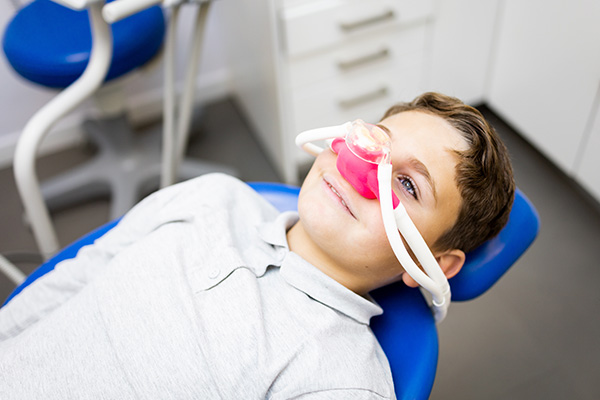
Nitrous oxide, commonly called "laughing gas," is a mild inhaled sedative used in dental and oral surgery settings to ease anxiety and promote relaxation. Unlike stronger sedatives, it produces a calming sensation without rendering a patient unconscious. Administered through a small mask placed over the nose, nitrous oxide is mixed with oxygen and inhaled, producing measurable effects within minutes and allowing for quick adjustment of the sedation level during treatment.
The sedative works on the central nervous system to reduce the perception of pain and the emotional response to dental procedures. Because its onset and offset are rapid, patients typically feel comfortable throughout the appointment and recover quickly once the flow of gas is discontinued. This characteristic makes nitrous oxide particularly well-suited for shorter procedures or for patients who want a gentle form of sedation with minimal recovery time.
Its predictability and ease of control are reasons many surgeons and dental teams prefer nitrous oxide as part of a broader comfort strategy. While it does not eliminate sensation entirely, it often reduces discomfort and helps patients remain calm and cooperative, which allows clinicians to work efficiently and safely while preserving patient awareness and protective reflexes.
Nitrous oxide is appropriate for a wide range of patients, including adults and many children, who experience mild to moderate anxiety related to oral procedures. People who have a strong gag reflex, a history of nervousness at the dentist, or a low tolerance for chair time often find nitrous oxide helpful because it eases tension without the need for deeper sedation. It is also commonly used for shorter procedures where quick recovery is desirable.
Not every patient is a candidate, however. Individuals with certain medical conditions, respiratory issues, or those in the later stages of pregnancy may require alternative approaches. During your pre-procedure evaluation, your surgeon or clinical team will review your medical history and current medications to determine whether nitrous oxide is a safe and appropriate option for you.
For many families, nitrous oxide offers a middle ground between local anesthesia alone and more complex sedation options. It provides meaningful anxiety relief while allowing patients to remain communicative and responsive, which can be particularly reassuring for those who prefer less invasive methods of sedation.
Before receiving nitrous oxide, you will have a discussion with your surgeon or a member of the clinical team about your medical history and any medications you are taking. This pre-procedure assessment ensures the team can tailor the sedation plan to your needs and anticipate any factors that could influence safety or comfort. Clear instructions about fasting or medication adjustments will be provided if needed, although nitrous oxide usually has fewer pre-procedure restrictions than deeper forms of sedation.
During the appointment, a comfortable nasal mask is placed and the nitrous oxide–oxygen mixture is adjusted to the level that achieves the desired effect. You will remain conscious throughout the procedure and able to respond to verbal commands, which helps maintain safety and communication. Many patients report feeling warm, tingly, or pleasantly detached; some experience mild euphoria, which is why the term "laughing gas" originated.
Once the procedure ends, the nitrous oxide is turned off and pure oxygen is provided for a short period to flush any remaining gas. Recovery is quick—most patients feel clear-headed within minutes and can typically resume normal activities shortly after leaving the office. Because the effects dissipate rapidly, nitrous oxide rarely requires extended post-operative monitoring or someone to accompany you home, though your care team will advise if special precautions are warranted.
Safety is central to the use of nitrous oxide in oral surgery. An experienced clinical team continuously monitors your vital signs and observes your level of comfort throughout the procedure. Modern delivery systems allow precise control over the gas mixture, ensuring that the nitrous oxide concentration remains within safe parameters. Staff are trained to recognize and respond to any changes in a patient's condition, and emergency protocols are in place if deeper medical management becomes necessary.
Because nitrous oxide is administered with oxygen and can be titrated up or down, the technique offers a high degree of control compared with some other sedation methods. Patients with respiratory illnesses or nasal obstructions should inform the team in advance, as these factors can affect delivery and safety. Pregnant patients and those with certain vitamin deficiencies or psychiatric conditions should also discuss risks and alternatives with their surgeon.
Longstanding clinical experience and current guidelines support nitrous oxide's favorable safety profile when used by trained professionals. In addition to continuous observation, the practice's infection-control, equipment maintenance, and staff training all contribute to a consistent, well-regulated approach to sedation.
At our St. Louis Park clinic, nitrous oxide is offered as one component of a larger comfort-oriented program designed to make oral surgery more tolerable and less stressful. The practice emphasizes individualized care, so the decision to use nitrous oxide is made after a careful review of each patient's needs and preferences. When selected, it is combined with local anesthesia and attentive clinical support to ensure both comfort and procedural success.
Team members preparing the room take steps to create a calm environment, from explaining the process to positioning the patient for comfort and ensuring clear communication throughout the visit. Because the practice values continuity of care, patients often work with the same clinicians who are familiar with their history and comfort levels, which helps tailor sedation strategies more effectively over time.
Northern Star Oral and Maxillofacial Surgery LLC prioritizes the highest standards for sedation care, including regular staff training and the use of modern delivery systems. Our goal is to provide a predictable, low-stress experience that supports safe clinical outcomes and a positive patient experience, whether the goal is a routine extraction or another outpatient procedure.
Nitrous oxide occupies a distinct place among sedation modalities. It is gentler than oral sedatives and IV sedation, and it allows for rapid recovery compared with general anesthesia. For patients seeking minimal interruption to their day and an option that keeps them awake and communicative, nitrous oxide is often the preferred choice. Conversely, for more extensive surgical procedures or patients with severe anxiety, deeper sedation or general anesthesia may be recommended.
Choosing the most appropriate approach depends on the complexity of the procedure, the patient’s medical history, and personal comfort goals. Many clinicians use a stepped-care approach—starting with the least invasive option likely to achieve comfort and escalating only if necessary. This approach minimizes risk while respecting patient preferences for awareness and recovery time.
Discussing goals and concerns with your surgeon helps determine whether nitrous oxide alone will provide the right balance of comfort and safety, or whether it should be combined with or replaced by another form of sedation. Whatever the choice, the emphasis should always be on individualized planning and clear communication so that you feel informed and supported every step of the way.
In summary, nitrous oxide is a flexible, well-established tool for reducing anxiety and improving the patient experience during many dental and oral surgery procedures. Its rapid onset and recovery, combined with careful monitoring and experienced clinical oversight, make it a reliable option for those seeking mild to moderate sedation. If you would like to learn more about whether nitrous oxide is right for you, please contact us for more information.
Nitrous oxide, commonly called laughing gas, is a mild inhaled sedative used to reduce anxiety and increase comfort during dental and oral surgery procedures. It is delivered as a controlled mixture with oxygen through a small nasal mask and produces calming effects within minutes, allowing clinicians to titrate the level of sedation. The gas acts on the central nervous system to decrease the perception of discomfort and the emotional response to treatment while allowing the patient to remain conscious and responsive.
Because nitrous oxide has a rapid onset and offset, clinicians can adjust the level of sedation quickly in response to patient needs and procedural requirements. The technique preserves protective reflexes and awareness, which makes it suitable for many shorter procedures or for patients who prefer lighter sedation. When discontinued, nitrous oxide is followed by an oxygen flush that helps remove residual gas and promotes a fast recovery.
Nitrous oxide is appropriate for many adults and children who experience mild to moderate dental anxiety, have a strong gag reflex, or need help tolerating chair time. Candidates typically are medically stable and able to breathe through their nose, as the gas is delivered via a nasal mask and relies on adequate nasal airflow. Your clinical team will review your medical history and current medications during the pre-procedure evaluation to confirm suitability.
Not every patient is a candidate, and those with certain respiratory conditions, severe nasal obstruction, or specific vitamin B12 deficiencies may require alternative approaches. Pregnant patients, especially in later trimesters, should discuss risks and alternatives with their surgeon so appropriate measures can be taken. The decision is individualized to balance comfort, safety, and the complexity of the planned procedure.
Administration begins with placement of a comfortable nasal mask that covers the nose but leaves the mouth free, allowing the patient to speak and follow instructions throughout the appointment. The clinical team starts with a mixture of nitrous oxide and oxygen and then adjusts the concentration gradually until the desired effect is reached, monitoring the patient’s comfort and responsiveness. Continuous observation of vital signs and patient interaction helps the clinician maintain a safe and effective level of sedation.
Local anesthesia is commonly used in combination with nitrous oxide to control procedural pain while the gas primarily reduces anxiety and increases tolerance of the treatment. The gas mixture is titratable, which provides precise control compared with some systemic sedatives. At the end of the procedure, nitrous oxide is discontinued and pure oxygen is administered for several minutes to clear any remaining gas.
Prior to your appointment, you will be asked about your medical history, medications, and any recent illnesses so the team can determine if nitrous oxide is appropriate and safe for you. In most cases, nitrous oxide requires fewer restrictions than deeper sedation modalities, but you should follow any specific instructions provided by the clinic regarding eating, drinking, or medication adjustments. If you have a known respiratory issue, are pregnant, or have concerns about vitamin B12 status, notify the office ahead of time.
Arrange transportation and post-procedure logistics according to the guidance you receive from the clinical team, although most patients resume normal activities quickly after nitrous oxide because of its rapid recovery profile. Wear comfortable clothing and avoid heavy fragrances or nasal sprays immediately before the visit to ensure clear nasal passages and accurate monitoring. Clear communication with your surgeon and staff about your goals and concerns helps the team tailor the sedation plan to your needs.
Common, short-lived effects include lightheadedness, tingling, mild euphoria, or nausea in a small number of patients; these effects typically resolve quickly after the gas is discontinued. More significant risks are uncommon when nitrous oxide is administered by trained professionals with proper monitoring, but potential issues include inadequate sedation, transient respiratory effects, or, rarely, vomiting during treatment. Patients with certain health conditions, such as severe chronic obstructive pulmonary disease or significant nasal obstruction, may be at higher risk of complications and will be evaluated closely.
Nitrous oxide can inactivate vitamin B12 with prolonged or repeated exposure, creating a potential concern for individuals with existing B12 deficiency or anemia; discuss any history of these conditions with your clinician. Pregnant patients and those with certain psychiatric or neurological conditions should discuss risks and options before treatment. The clinical team will review contraindications and take precautions to minimize risk based on current guidelines and patient-specific factors.
One of nitrous oxide’s key advantages is its rapid recovery profile: effects begin to diminish within minutes after the gas is stopped, and most patients feel clear-headed and alert shortly thereafter. Clinical practice includes administering 100 percent oxygen for several minutes at the end of the appointment to flush residual gas and support a swift return to baseline. Because recovery is quick, extended post-operative monitoring or an escort home is rarely required, though your care team will advise if special precautions apply based on the procedure or your medical history.
Some patients may experience mild, short-lived aftereffects such as fatigue or slight dizziness, but these are typically transient and resolve without intervention. If you have concerns about driving or returning to work immediately, discuss them with the clinician before the procedure so appropriate recommendations can be provided. Clear communication about post-procedure expectations helps set realistic plans and supports a smooth recovery.
Nitrous oxide is frequently used in pediatric dentistry and oral surgery because it is noninvasive, fast-acting, and allows children to remain awake and cooperative during procedures. Before treatment, the team evaluates the child’s medical history, behavior, and ability to breathe through the nose to determine if nitrous oxide is the right choice. Clinicians experienced with pediatric care use age-appropriate explanations and a gradual introduction to the mask to reduce fear and improve cooperation.
The gas is titrated to achieve a calming effect while maintaining responsiveness, and staff monitor the child continuously for comfort and safety. Nitrous oxide is often combined with local anesthesia to control pain during the procedure, and children typically recover quickly afterward. Parents or guardians receive instructions about pre-appointment preparations and post-visit care to ensure a safe and comfortable experience for the child.
Yes. Certain medical conditions can affect the safety or effectiveness of nitrous oxide, so a thorough pre-procedure assessment is essential. Conditions that may contraindicate or require special precautions include significant respiratory disorders, recent ear or sinus surgery, severe nasal obstruction, untreated vitamin B12 deficiency or certain hematologic disorders, and some psychiatric or neurologic conditions. Pregnant patients and those with specific health concerns should always discuss risks and alternatives with their surgeon.
The clinical team will review your complete medical history, current medications, and any recent illnesses to identify contraindications and tailor the sedation plan. When nitrous oxide is not appropriate, the practice can discuss other sedation modalities that better match the patient’s medical needs and comfort goals. Individualized planning helps ensure safety while striving to achieve an acceptable comfort level for each patient.
Nitrous oxide occupies a middle ground among sedation modalities: it is gentler than oral or IV sedation and allows rapid recovery compared with general anesthesia, while offering more anxiety relief than local anesthesia alone. Because it is inhaled and titratable, clinicians can fine-tune the level of sedation in real time, which provides a degree of control that is useful for many outpatient procedures. For patients who need deeper or longer-acting sedation, options such as oral sedation, IV sedation, or general anesthesia may be more appropriate depending on the procedure and medical evaluation.
A stepped-care approach is common, starting with the least invasive option likely to achieve comfort and escalating only if necessary based on patient response and procedural demands. Discussing procedure complexity, personal preferences, and medical history with your surgeon will help determine the most appropriate sedation strategy. The goal is always to balance safety, comfort, and procedural requirements to achieve the best possible outcome.
At our St. Louis Park clinic, we follow established safety protocols that include thorough pre-procedure evaluations, continuous monitoring during administration, and staff training in sedation and emergency response. Modern delivery systems allow precise titration of nitrous oxide and oxygen, and our team administers an oxygen flush at the end of each case to accelerate clearance of the gas. Infection-control practices, routine equipment maintenance, and ongoing staff education are integral to our approach to safe sedation care.
We individualize sedation plans based on each patient’s medical history, procedural needs, and comfort goals so that nitrous oxide is used appropriately as part of a broader comfort program. If nitrous oxide is not the best option, the team will discuss alternative sedation methods and explain the reasons for that recommendation. Our objective is predictable, low-stress care delivered with professional oversight so patients feel informed and supported from evaluation through recovery.