Call Us Today!
(952) 465-0105
New Patients
(952) 225-5280


Deciding that a tooth should be removed is never taken lightly. At Northern Star Oral and Maxillofacial Surgery LLC, our goal is to preserve natural teeth whenever it is safe and reasonable to do so, but there are clear situations where extraction is the most responsible option for long-term oral health. We evaluate each case with attention to function, comfort, and future treatment planning.
Extractions can relieve pain, prevent the spread of infection, and create better conditions for orthodontics or restorative work. Removing a problematic tooth can also protect neighboring teeth and the supporting bone, and in some cases it prevents more extensive treatment down the road. We focus on making the process predictable, comfortable, and clearly explained so patients can make informed decisions.
Our approach starts with a careful clinical exam and imaging to understand the tooth’s condition and its relationship to adjacent structures. We consider medical history, bite alignment, and the patient’s goals before recommending removal. If an extraction is advised, we’ll outline the type of procedure expected, anesthesia options, and the plan for follow-up care.
Primary (baby) teeth that do not fall out as expected
Sometimes a primary tooth remains firmly attached after the permanent tooth below it should have erupted. When a baby tooth becomes ankylosed or its roots fail to resorb, it can block normal development of the permanent dentition. Removing an over-retained primary tooth can help the permanent tooth come into place and support healthier alignment.
Decayed permanent teeth that cannot be restored
When decay destroys most of the tooth’s structure or reaches the tooth’s nerve and the damage cannot be repaired predictably, extraction may be the safest option. Leaving a badly compromised tooth in place risks ongoing infection and damage to surrounding teeth and bone.
Teeth with extensive fractures or structural failure
A significant fracture that extends below the gum line or into the root can make saving the tooth impractical. In these cases, removal prevents chronic pain and infection and allows the team to plan for a durable replacement that restores function.
Advanced periodontal disease affecting support structures
When gum disease has reduced the bone and soft tissue that hold a tooth in place, the tooth may become mobile or symptomatic. Extracting teeth that are no longer salvageable can stop disease progression and help protect adjacent teeth and oral health overall.
Wisdom teeth that are impacted, decayed, or causing crowding
Third molars often lack adequate room to erupt normally and can become impacted, infected, or injurious to nearby teeth. Early evaluation allows us to remove troublesome wisdom teeth before they cause pain, infection, or damage to neighboring structures.
Extractions to make room for orthodontic treatment
In selected orthodontic plans, removing one or more permanent teeth can create the space necessary to align the bite and achieve a stable, functional result. This decision is made carefully with input from orthodontic specialists when appropriate.
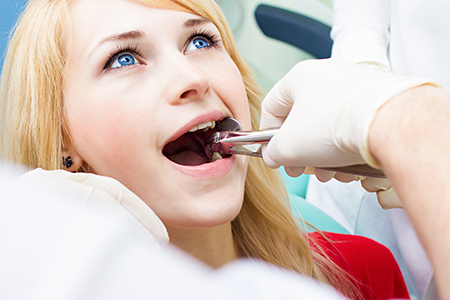
A successful extraction begins long before the procedure itself. During your consultation we review your medical history, current medications, and any conditions that could affect healing. This helps us tailor the treatment plan and determine whether additional precautions—such as antibiotic coverage or medical clearance—are appropriate.
We will also discuss anesthesia and comfort options so you know what to expect. Our practice offers a full range of sedation choices, from nitrous oxide to IV sedation and general anesthesia, to match the complexity of the procedure and the patient’s comfort level. We’ll explain the risks, benefits, and practical instructions for each option.
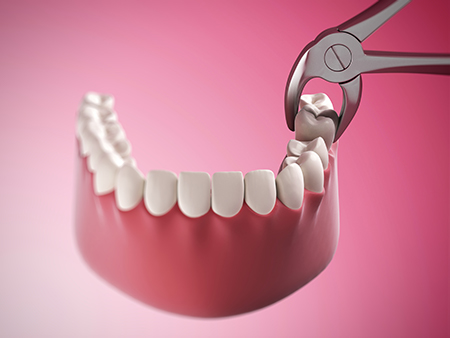
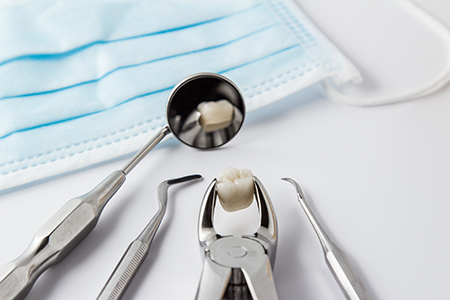
When a tooth is fully visible in the mouth with roots that are uncomplicated, removal can often be performed as a simple extraction. After numbing the area with a local anesthetic, the tooth is gently loosened and removed with forceps. The technique is designed to minimize trauma and speed recovery while preserving surrounding bone and tissue.
For teeth that are broken at the gum line, locked into the bone, or impacted beneath the surface, a surgical approach is required. Surgical extractions may involve a small incision, removal of a small amount of bone, or sectioning the tooth for safe removal. These procedures are performed with precision to protect adjacent structures and optimize healing.
After an extraction most patients experience predictable swelling, mild discomfort, and gradual improvement over several days. We provide clear post-operative instructions tailored to the type of extraction you received, and we prescribe or recommend pain relief and any necessary antibiotics. Following those instructions closely helps reduce complications and promotes steady healing.
Good self-care in the first 24–72 hours is important: protect the clot that forms in the socket, avoid vigorous rinsing or spitting, and refrain from smoking or using a straw, which can dislodge the clot. Eating soft foods, staying hydrated, and avoiding strenuous activity support comfortable recovery.
Maintain steady pressure with gauze
We will place gauze over the extraction site for you to bite on. Keeping gentle, consistent pressure helps the clot form and reduces active bleeding. Change the gauze as directed and follow any timing guidance we provide.
Protect numb tissues
Until local anesthesia wears off, take care not to chew or bite lips, cheeks, or tongue unintentionally. Numb tissues are more easily injured.
Follow medication directions
Take prescribed antibiotics and pain medications exactly as instructed. If you have questions about side effects or interactions with other medications you’re taking, let us know before the procedure.
Avoid actions that disturb the clot
Do not rinse vigorously, spit forcefully, use a straw, or perform suction with your mouth. These actions can dislodge the clot and delay healing.
Apply cold to manage swelling
Short intervals of ice applied to the face (for example, 10 minutes on, 10 minutes off) during the first 24 hours help reduce swelling and discomfort.
Avoid tobacco
Smoking and other tobacco use interfere with clot formation and tissue healing. We advise avoiding tobacco for at least the first week following surgery.
Choose gentle foods
Soft, cool to lukewarm foods are best for the first few days. Avoid hard, crunchy, or spicy items that can irritate the socket.
Keep the area clean but gentle
Brush teeth carefully and avoid the extraction site for a day or two. A mild saltwater rinse can be introduced after 24 hours to keep the mouth fresh—use gentle swishes rather than forceful rinsing.
Attend follow-up appointments
If sutures were placed or your case required a more complex procedure, plan to return for a post-operative check so we can monitor healing and remove stitches if needed.
If unusual symptoms arise—new or worsening pain, persistent bleeding, fever, or an unexpected change in sensation—contact our office so we can evaluate and advise you on next steps.
While most extractions heal without issue, there are a few complications we watch for and address promptly. Dry socket (a painful condition when the clot is lost), signs of infection, prolonged bleeding, or numbness beyond the expected timeframe merit evaluation. Early assessment helps us manage problems before they escalate.
If you notice increasing pain after the first few days, a bad taste or odor that doesn’t improve, significant swelling, or fever, contact our team so we can determine whether additional treatment—such as local therapy, medication, or a follow-up appointment—is necessary. We take these concerns seriously and respond with clear guidance and timely care.
For patients with complex medical histories or who are taking medications that affect healing, we’ll provide tailored monitoring and instructions so that any potential complication can be caught and managed quickly. Keeping us informed about new symptoms ensures the best possible outcome.
Removing a tooth is often only the first step in restoring a comfortable, functional smile. Once healing is sufficient, we will discuss replacement options that meet your goals for appearance, durability, and oral health. Choices can include removable dentures, fixed bridges, and dental implants, each with advantages depending on your situation.
Dental implants are frequently recommended when preserving jawbone and recreating natural function are priorities. Implants act like artificial tooth roots and can support crowns, bridges, or full-arch restorations. Our surgeons have extensive experience with implant treatment planning and can explain the timeline, surgical steps, and restorative sequence so you know what to expect.
We coordinate with your general dentist, restorative specialists, and orthodontists when needed to create a comprehensive plan. Our objective is to help you restore chewing comfort, maintain facial support, and protect long-term oral health with solutions tailored to your needs. Our team at Northern Star Oral and Maxillofacial Surgery LLC will walk you through the options and make recommendations aligned with your goals.
In summary, tooth extraction is a common and often necessary procedure that, when handled with skill and clear planning, leads to predictable healing and improved oral health. If you have questions about whether extraction is the right choice, recovery expectations, or replacement options, please contact us for more information.
Tooth extraction becomes necessary when a tooth is severely damaged, infected, or compromising adjacent teeth and supporting bone. Extractions also allow us to address orthodontic space requirements or remove primary teeth that block normal eruption of permanent teeth. Each recommendation follows a careful clinical exam, imaging, and consideration of the patient’s medical history and long-term treatment goals.
Preserving natural teeth is always our first priority, but when preservation is not predictable or safe an extraction can protect overall oral health. We explain alternatives, risks, and the expected course of treatment so patients can make informed decisions. If removal is advised, we outline the procedure, anesthesia options, and follow-up plan.
A simple extraction is used when a tooth is fully visible in the mouth and can be loosened and removed with forceps after local anesthesia. This technique minimizes trauma to surrounding bone and soft tissue and typically allows for a faster recovery. Most routine extractions fall into this category when roots are uncomplicated and the tooth is accessible.
Surgical extractions are required for teeth that are broken at the gum line, impacted beneath the bone, or locked into position. The surgeon may make a small incision, remove a bit of bone, or section the tooth to remove it safely while protecting adjacent structures. These procedures are planned carefully to optimize healing and reduce the risk of complications.
Before an extraction we review your medical history, current medications, allergies, and any conditions that could affect healing or anesthesia choices. Important details include blood thinners, bisphosphonate use, cardiac conditions, pregnancy, or a history of delayed healing. Sharing this information helps us determine whether additional precautions, antibiotic coverage, or medical clearance are needed.
If you expect to receive sedation or general anesthesia, you will receive fasting instructions and guidance about arranging a responsible adult to drive you home. We also discuss practical preoperative steps such as temporarily stopping certain medications only when advised by your prescribing physician. Clear communication before the procedure improves safety and comfort.
We offer a range of anesthesia and sedation choices to match the complexity of the extraction and the patient’s comfort level, including local anesthesia, nitrous oxide, IV sedation, and general anesthesia. Local anesthesia numbs the area for straightforward procedures, while nitrous oxide or IV sedation can reduce anxiety and awareness for more invasive cases. General anesthesia is reserved for complex situations or when deep sedation is clinically appropriate.
The surgical team will review the risks, benefits, and recovery expectations for each option and recommend the safest approach based on your health and the planned procedure. Deeper levels of sedation typically require fasting and an escort home, and we provide specific instructions to ensure safety. Your informed consent and comfort are prioritized when selecting an anesthesia plan.
Most patients experience predictable swelling, mild to moderate discomfort, and gradual improvement over several days after an extraction. Protecting the blood clot in the socket is essential: avoid vigorous rinsing, spitting, using a straw, or smoking during the first 24 to 72 hours. Following post-operative instructions regarding ice application, diet, and activity can significantly reduce complications and promote steady healing.
Eat soft, cool to lukewarm foods and stay well hydrated while avoiding hard, crunchy, or spicy items that might irritate the site. You may use over-the-counter pain relievers or prescription medications as directed to control discomfort, and a gentle saltwater rinse can be introduced after 24 hours to keep the area clean. Attend any scheduled follow-up so the team can monitor healing and remove sutures if necessary.
Dry socket typically presents as increasing, throbbing pain a few days after extraction and may be accompanied by an exposed socket and unpleasant taste or odor. Signs of infection include persistent or worsening swelling, fever, pus, or prolonged bleeding that does not respond to local measures. Any new or worsening symptoms beyond the expected healing course warrant prompt evaluation.
Contact the office if pain intensifies after the first few days, bleeding continues despite pressure, or you develop fever or facial swelling. Early assessment allows for treatments such as local therapy, irrigation, or antibiotics when indicated and helps prevent escalation. Patients with complex medical histories or medications that affect healing should be monitored closely and report changes without delay.
Antibiotics are not routinely necessary after every extraction but are prescribed when there is active infection, significant risk of infection, or specific medical conditions that warrant prophylaxis. The decision to use antibiotics is individualized and based on the clinical situation and the patient’s medical history. When prescribed, antibiotics are intended to reduce the risk of complications and support safe healing.
Pain is most often managed with nonsteroidal anti-inflammatory drugs (NSAIDs) and, when appropriate, short courses of prescription analgesics for more significant discomfort. Always follow dosing instructions and discuss any concerns about interactions with other medications you take. If pain control is inadequate or you experience adverse effects, contact the practice for reassessment and guidance.
Initial eating should focus on soft foods for several days while the socket begins to heal, and you should avoid hot, crunchy, or spicy foods that could disturb the site. Gradually reintroduce firmer foods as comfort allows and as directed by your surgeon; many patients resume a normal diet within one to two weeks depending on the complexity of the extraction. Good oral hygiene, adapted to protect the site, supports a smoother return to routine eating habits.
Return to work or school depends on the extent of the procedure and the level of sedation used, with many patients resuming light activities within 24 to 72 hours after a simple extraction. More invasive surgical cases or deeper sedation may require additional rest and a longer recovery period. Follow your surgeon’s instructions about activity restrictions, avoiding heavy lifting, and the appropriate timeline for resuming exercise.
Extractions for children are approached with consideration for growth and development, and removing an over-retained or ankylosed primary tooth can facilitate the eruption of the permanent tooth and support proper alignment. Treatment decisions factor in the child’s age, dental development, and any orthodontic plan that may be in place. Our goal is to choose timing and technique that minimize disruption to the developing dentition while promoting optimal outcomes.
Children may receive local anesthesia, nitrous oxide, or other appropriate sedation options to ensure a comfortable experience, and we coordinate care with pediatric dentists and orthodontists when necessary. Clear explanations, a calm environment, and careful post-operative instructions help families manage recovery at home. Parents should report any concerns such as fever, prolonged bleeding, or unexpected behavior changes so we can provide timely guidance.
Replacement options include removable partial dentures, fixed bridges, and dental implants, each with specific benefits related to function, appearance, and long-term oral health. Dental implants are often recommended when preserving jawbone and restoring natural chewing function are priorities, and they can support crowns, bridges, or full-arch restorations. The best choice depends on your overall oral health, the number of teeth involved, and personal goals for durability and maintenance.
Planning for replacement typically begins as soon as healing is sufficient and may involve staged treatment such as bone grafting when required to support an implant. We coordinate closely with your general dentist and restorative specialists to determine timing, imaging needs, and the sequence of surgical and restorative steps. Our surgeons at Northern Star Oral and Maxillofacial Surgery LLC will explain the timeline and help you weigh options so you understand what to expect for long-term function and esthetics.